Best Crate for Husky Puppies in 2026: Escape-Proof Picks
April 7, 2026 · 8 min read
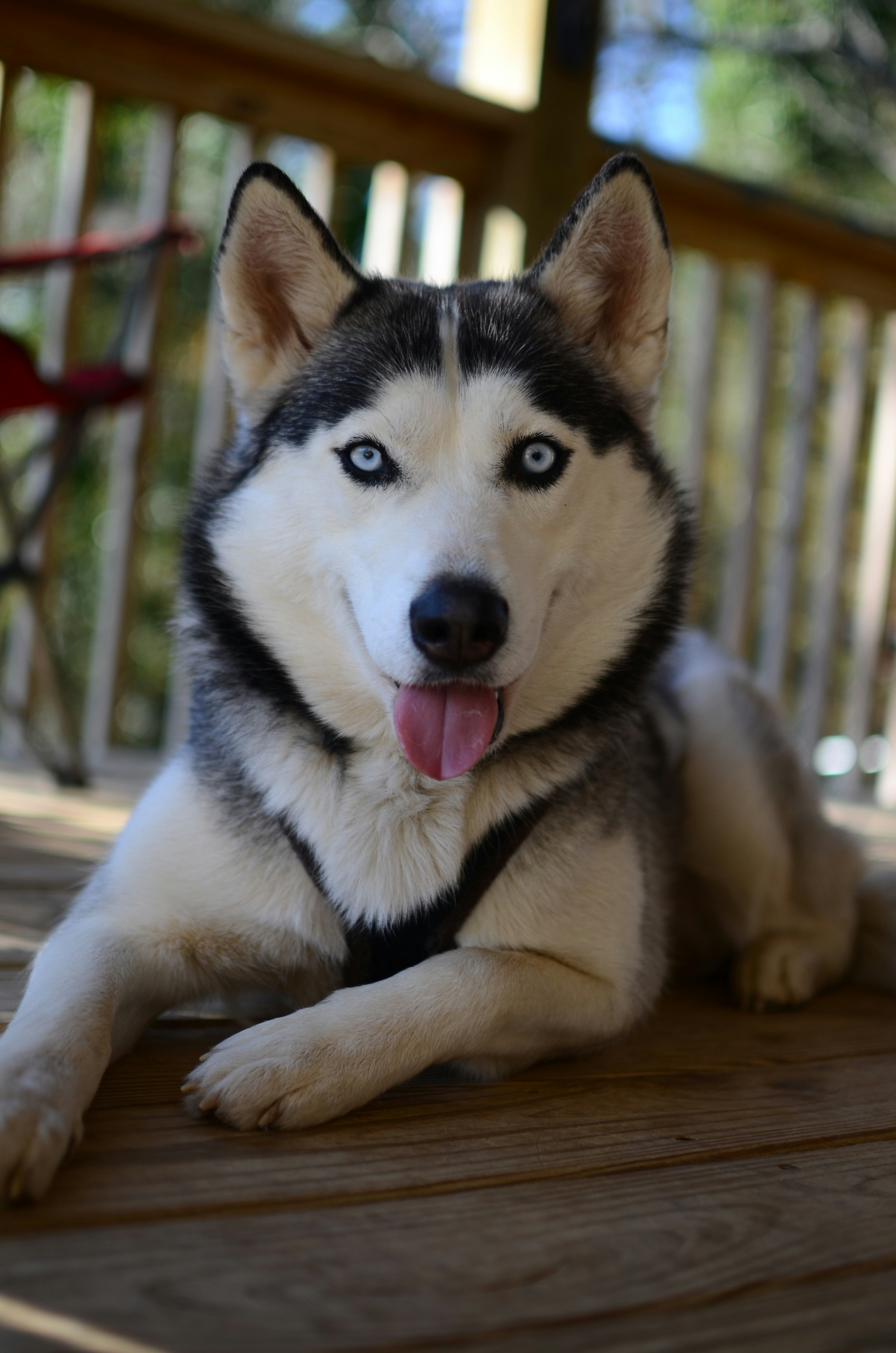
Let me be honest with you: crate training a Siberian Husky is one of the most challenging experiences in dog ownership. Huskies are independent, dramatic, and remarkably intelligent escape artists. They can open standard slide-bolt latches, bend wire panels, squeeze through gaps you would not think physically possible, and vocalize their displeasure at volumes that will have your neighbors considering a noise complaint. If you approach crate training a husky the same way you would a Labrador or a Golden Retriever, you will fail. They require a different crate, a different approach, and significantly more patience.
The good news is that it absolutely can be done. The key is the right equipment paired with a gradual, positive introduction that never uses the crate as punishment. Here is what works. For our full crate guide across all breeds, see our best dog crates guide.
What to Look for in a Husky Crate
- Heavy-gauge wire: Standard 9-gauge wire crates are not enough for determined huskies. Look for 8-gauge or heavier, or reinforced double-wire construction.
- Escape-proof latches: Slide-bolt latches that a husky can nose open are a non-starter. You need latches that require opposing thumb pressure or carabiner-style closures.
- Divider panel: Essential for husky puppies. A 42-inch crate with a divider grows with your puppy from 15 pounds to 60 pounds without needing to buy multiple crates.
- Good ventilation: Huskies have thick double coats and overheat easily. Wire crates provide the best airflow of any crate type.
- Removable tray: Husky puppies have accidents. A slide-out metal tray makes cleanup fast and prevents urine from pooling under the crate.
Our Top 5 Picks
1. MidWest iCrate Double Door — Best Overall
The MidWest iCrate ($48, 42-inch) remains the most recommended crate for husky puppies for good reason. The double-door design gives placement flexibility, the included divider panel lets you adjust the interior size as your puppy grows, and the slide-bolt latches with secondary safety clips provide adequate security for most huskies. The 42-inch model is the right size for adult Siberian Huskies (35 to 60 pounds). Folds flat for transport and storage. For a deeper dive into crate training, read our puppy crate training guide.
2. ProSelect Empire Dog Cage — Best Escape-Proof
For huskies that have already defeated a standard wire crate, the ProSelect Empire Cage ($350, 42-inch) is built like a bank vault. The 20-gauge steel tubes with half-inch spacing are virtually indestructible, the dual door latches require two-hand operation that no dog can replicate, and the removable floor grate sits above a pull-out tray. This is the crate veterinary behaviorists recommend for dogs with severe separation anxiety or escape behavior. The price is steep, but it is a one-time investment that no husky can defeat.
3. Diggs Revol Collapsible Crate — Best with Divider
The Diggs Revol ($375, large) is a premium option with a built-in puppy divider, diamond-shaped mesh sides that prevent paw injuries, and a ceiling hatch for hand-feeding treats during crate training. The collapsible design makes it portable despite its sturdy construction. The mesh pattern is specifically designed to prevent the wire-bending and squeezing that huskies attempt with traditional bar crates. It is expensive, but the build quality, safety features, and the fact that it grows with your puppy justify the investment for many husky owners.
4. Petmate Sky Kennel — Best for Travel
If you travel with your husky or need an airline-approved option, the Petmate Sky Kennel ($70, large) is a hard-shell kennel that meets most airline cargo requirements. The enclosed design also helps with huskies who are visually stimulated by their surroundings — some huskies are calmer in a den-like enclosure than in a wire crate where they can see everything. The heavy-duty plastic construction is chew-resistant, and the steel hardware is secure. Not ideal as a primary home crate due to limited ventilation, but excellent for car travel and flights.
5. Amazon Basics Folding Metal Crate — Best Budget
The Amazon Basics Folding Crate ($39, 42-inch) is a functional budget option with a single door, slide-bolt latch, and removable plastic tray. It does not include a divider (buy one separately), and the wire gauge is lighter than the MidWest, but for well-adjusted husky puppies who are not extreme escape artists, it provides a safe and affordable space. Add a carabiner clip to the latch as cheap insurance against a curious nose.
Size Guide
- Husky puppy (8 to 16 weeks): Use a 42-inch crate with the divider set to give the puppy just enough room to stand, turn around, and lie down. Too much space encourages bathroom accidents.
- Adolescent husky (4 to 12 months): Gradually move the divider back as the puppy grows. By 8 months, most huskies need 30 to 36 inches of the crate.
- Adult husky (12+ months, 35 to 60 lbs): Full 42-inch crate without divider. Some large males may need a 48-inch crate.
Crate Training Timeline for Huskies
Huskies take longer to crate train than most breeds. Expect 4 to 8 weeks for a comfortable routine, compared to 1 to 2 weeks for breeds like Labs or Goldens. Here is a realistic timeline:
- Week 1 to 2: Crate door open at all times. Feed all meals inside the crate. Toss high-value treats in randomly. Never close the door yet.
- Week 2 to 3: Close the door during meals for 5 to 10 minutes while you are in the room. Open immediately if the puppy finishes eating. No fuss, no drama.
- Week 3 to 4: Gradually increase closed-door time to 15 to 30 minutes. Step out of sight briefly, then return before the puppy gets anxious.
- Week 4 to 6: Work up to 1 to 2 hours. Always provide a stuffed KONG or chew to associate crate time with something positive.
- Week 6 to 8: Overnight crating. Most huskies can hold their bladder through the night by 12 to 16 weeks if they were let out right before bed.
Making the Crate Positive
The single most important rule: never use the crate as punishment. Huskies have long memories and strong associations. If the crate becomes connected with being in trouble, you will never get willing crate compliance. The crate should be a den — a safe, comfortable space where good things happen. Every crate entry should involve a treat, a frozen KONG, or a favorite chew. Drape a blanket over three sides to create a den-like atmosphere. Leave the crate open during the day so the puppy can choose to nap in it voluntarily.
For the full Siberian Husky breed profile, visit our Siberian Husky breed guide.
As an Amazon Associate, BabyMyDog earns from qualifying purchases. Prices are approximate and may change. This does not influence our recommendations.