Best Dog Food for Pit Bulls in 2026: High Protein, Healthy Skin
April 7, 2026 · 8 min read
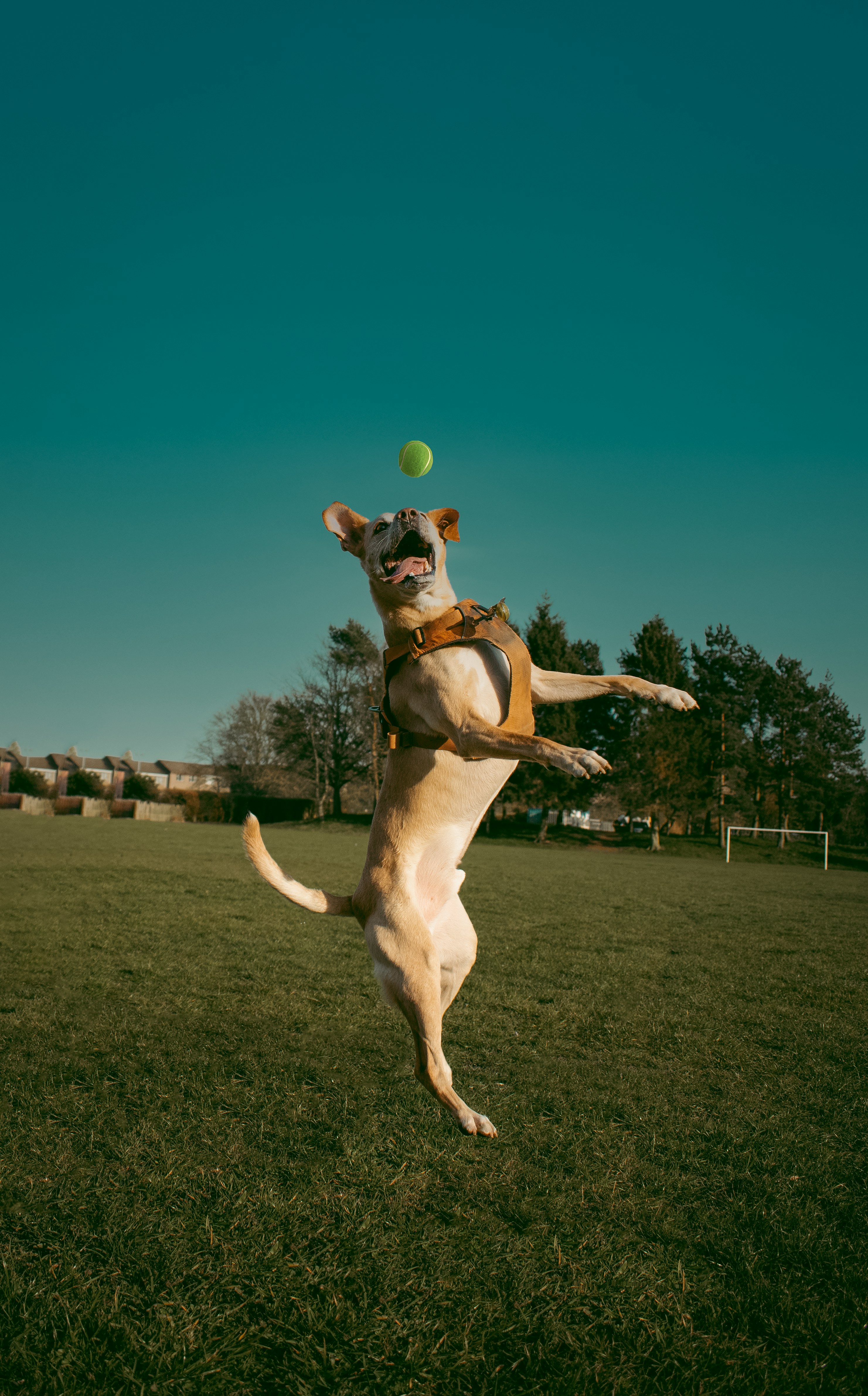
Pit bulls are athletes. Whether they are American Pit Bull Terriers, American Staffordshire Terriers, or one of the other breeds commonly grouped under the pit bull umbrella, these dogs are built for power and endurance. They carry significantly more muscle mass per pound than most breeds, and maintaining that musculature requires a diet higher in protein than what the average dog food provides. Feed a pit bull a generic grocery-store kibble and you will see the difference — dull coat, low energy, loss of muscle tone.
The other dietary challenge with pit bulls is their skin. These dogs are disproportionately prone to environmental and food allergies that manifest as itching, hot spots, ear infections, and paw licking. Chicken, beef, wheat, and corn are the most common triggers. Getting the food right often eliminates or dramatically reduces skin problems that owners have spent hundreds of dollars trying to solve with medications and medicated shampoos.
What to Look for in Pit Bull Food
- High protein (28 to 32 percent minimum): Real meat should be the first ingredient. Pit bulls need more protein than average breeds to maintain their muscular build.
- Quality fat sources: Chicken fat, fish oil, and flaxseed provide the omega-3 and omega-6 fatty acids critical for skin and coat health.
- Limited or novel protein: If your pit bull has allergies, look for single-protein formulas using lamb, fish, venison, or bison instead of chicken or beef.
- No artificial fillers: Corn, wheat, and soy are common allergens and provide minimal nutritional value for a high-performance breed.
- Joint support: Glucosamine and chondroitin added to the formula support the joints that carry all that muscle mass.
Our Top 5 Picks
1. Taste of the Wild High Prairie — Best Overall
Taste of the Wild High Prairie ($53, 28 lbs) checks every box for pit bulls. Real roasted bison and venison provide 32 percent protein from novel sources that most pit bulls are not allergic to. The proprietary K9 Strain probiotics support digestive health, and the blend of fruits and vegetables delivers natural antioxidants. Sweet potatoes and peas replace grains as carbohydrate sources. I have seen dramatic coat and skin improvements in pit bulls switched to this formula from chicken-based foods.
2. Bully Max High Performance — Best for Muscle Building
Bully Max High Performance ($70, 30 lbs) was formulated specifically for pit bull-type breeds and other muscular dogs. With 30 percent protein and 20 percent fat, it provides the caloric density that active pit bulls need without requiring enormous portions. The formula includes glucosamine and chondroitin for joint support, which is important given the stress that heavy muscle mass puts on joints. This is an excellent choice for young, active pit bulls who burn through calories quickly.
3. Purina Pro Plan Sensitive Skin & Stomach — Best for Skin Allergies
For pit bulls with chronic skin issues, Purina Pro Plan Sensitive Skin & Stomach ($65, 30 lbs) uses salmon as the primary protein, avoiding chicken and beef entirely. The omega-6 fatty acids and zinc support skin barrier health, and the prebiotic fiber blend promotes digestive comfort. This is the food I recommend first when a pit bull owner tells me their dog is constantly scratching, getting ear infections, or licking their paws raw. Give it 8 to 12 weeks for full results since skin allergies take time to resolve.
4. Diamond Naturals All Life Stages — Best Budget
Diamond Naturals ($40, 40 lbs) delivers real cage-free chicken, probiotics, and omega fatty acids at a price point under a dollar per pound. The 26 percent protein is lower than the Taste of the Wild or Bully Max options, but it still exceeds what most grocery-store brands provide. For pit bull owners on a tight budget, this is a genuine quality food that will not break the bank. Supplement with a fish oil capsule daily for extra skin and coat support.
5. Blue Buffalo Wilderness High Protein Puppy — Best for Pit Bull Puppies
Pit bull puppies grow fast and pack on muscle early, requiring a high-protein, nutrient-dense puppy formula. Blue Buffalo Wilderness Puppy ($58, 24 lbs) provides 36 percent protein from deboned chicken and chicken meal, DHA for brain development, and a calcium-phosphorus ratio calibrated for large breed growth. The LifeSource Bits add a precise blend of antioxidants and vitamins. Transition to an adult formula at 12 to 14 months.
Feeding Guide by Age and Activity
- Puppies (8 weeks to 12 months): Three meals per day, gradually increasing to 2 meals around 6 months. Follow puppy formula guidelines.
- Active adults (1 to 7 years): Two meals per day. Active pit bulls typically need 2 to 3 cups per day total, depending on food caloric density and exercise level.
- Moderate adults: Two meals per day, 1.5 to 2.5 cups total. Monitor weight monthly.
- Seniors (7+ years): Two meals per day, reduce portions by 10 to 15 percent as activity naturally decreases.
Identifying Food Allergies
If your pit bull has persistent itching, ear infections, hot spots, or chronic loose stools, food allergies should be near the top of your suspect list. The gold standard for diagnosis is an elimination diet: switch to a single novel protein (like venison or duck) and a single carbohydrate for 8 to 12 weeks. If symptoms improve, you know food was the trigger. Then reintroduce ingredients one at a time to identify the specific allergen. Your vet can guide this process. For more on supplements that support skin health, see our best dog supplements guide.
For the full pit bull breed profile, visit our Pit Bull Terrier breed guide. And browse all our best dog food picks for more options.
As an Amazon Associate, BabyMyDog earns from qualifying purchases. Prices are approximate and may change. This does not influence our recommendations.