Best Dog Harness for Dogs That Pull: No-Pull Picks for 2026
April 7, 2026 · Products · 8 min read
By the BABYmy dog Team · Retired AKC breeder & U.S. military veteran
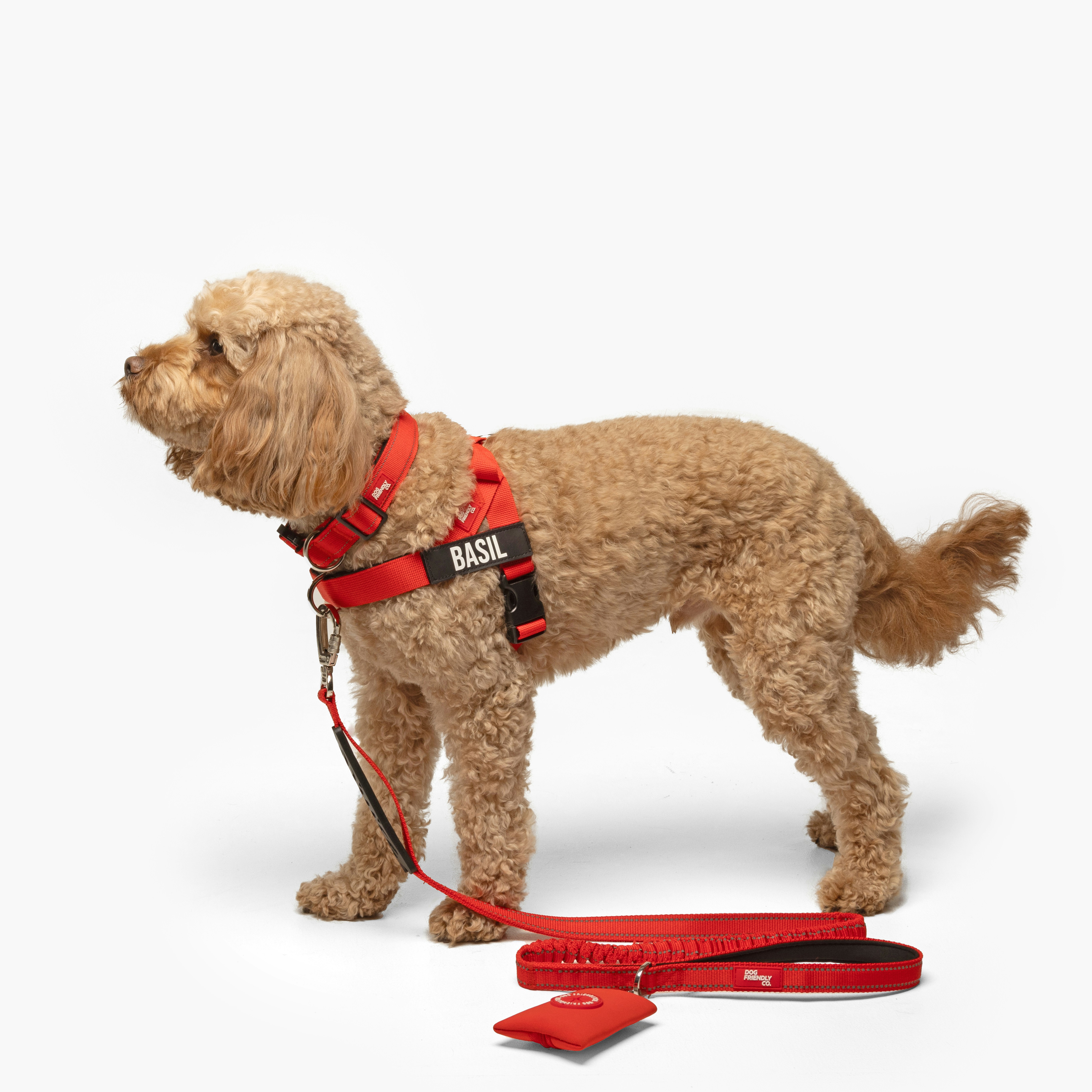
If your daily walk feels more like a tug-of-war than a pleasant stroll, you're not alone. Pulling on the leash is the number one complaint among dog owners, and it's responsible for more shoulder injuries and dropped leashes than any other behavior. The good news is that a well-designed no-pull harness can transform your walks almost overnight — without resorting to choke chains, prong collars, or any tool that causes pain or fear.
After decades of walking, training, and breeding dogs of every size, I've tried every harness on the market. Some are genuinely brilliant. Others are overpriced gimmicks that slip, chafe, or actually make pulling worse. Here's what actually works in 2026.
Why Dogs Pull in the First Place
Dogs pull because it works. Every time your dog lunges forward and you follow, they learn that pulling gets them where they want to go faster. It's not dominance, stubbornness, or spite — it's simple reinforcement. Dogs also walk naturally faster than humans, averaging about 3.5 mph compared to our 2.5 mph stroll, so there's a built-in speed mismatch that creates tension on the leash.
Certain breeds are genetically predisposed to pulling. Labrador Retrievers, Siberian Huskies, German Shepherds, and other working breeds were literally bred to pull sleds, haul nets, or cover ground quickly. For these dogs especially, a no-pull harness is not a substitute for training — but it's an essential training aid that makes the teaching process manageable.
Front-Clip vs. Back-Clip vs. Head Halters
Front-Clip Harnesses
Front-clip harnesses attach the leash at the dog's chest. When the dog pulls, the leash gently redirects them toward you, naturally discouraging forward lunging. This is the most popular and effective no-pull design for most dogs. The key advantage is that front-clip harnesses work through physics — redirecting momentum — rather than discomfort. They're safe for dogs of all ages, including puppies over four months old.
Back-Clip Harnesses
Back-clip harnesses are comfortable and easy to put on, but they actually encourage pulling in many dogs. The leash attachment at the back mimics the position of a sled harness, allowing the dog to lean into the pull with their full body weight. Back-clip harnesses are best for small dogs who don't pull much, dogs with tracheal issues, or well-trained dogs who walk politely on leash already.
Head Halters
Head halters loop around the dog's muzzle and behind the ears, similar to a horse's halter. They provide maximum control — where the head goes, the body follows. However, most dogs need a gradual desensitization period (one to two weeks) before they'll accept wearing one without pawing at it. Head halters are best reserved for very strong pullers or reactive dogs whose owners need immediate safety control while training progresses.
Our Top No-Pull Harness Picks
Rabbitgoo No-Pull Dog Harnessis our best-value pick and the harness I recommend to every new dog owner. It features both front and back leash attachment points, four adjustment straps for a customized fit, and breathable mesh padding that prevents chafing under the legs. At under $20 for most sizes, it's a fraction of the price of premium brands while delivering comparable performance. The Rabbitgoo is available in over 15 colors and sizes from XS to XL, fitting chest girths from 14 to 42 inches.
PetSafe Easy Walk Harness is the gold standard recommended by certified professional dog trainers and veterinary behaviorists. Its unique martingale loop at the chest tightens slightly when the dog pulls, adding a gentle pressure signal without constricting the airway. The belly strap is color-coded differently from the shoulder strap so you can always tell which way the harness goes on — a small but brilliant design detail. The Easy Walk is available in sizes from petite to large and fits chest girths from 15 to 42 inches.
Ruffwear Front Range Harnessis our premium pick for active dogs and outdoor adventurers. Built with Ruffwear's trail-tested durability, it features padded chest and belly panels, a reinforced front leash attachment, and an aluminum V-ring on the back for casual walks. The foam-padded straps distribute force evenly across the chest, making it comfortable enough for all-day hikes. It's also the best-looking harness on this list, with colors and styling that match the outdoor lifestyle aesthetic.
How to Fit a No-Pull Harness Correctly
An ill-fitting harness is worse than no harness at all. Too loose, and your dog can back out of it and bolt into traffic. Too tight, and it restricts natural movement, chafes, and can even cause muscle strain. Here's the golden rule: you should be able to slide two fingers (but not your whole hand) between any strap and your dog's body.
Measure your dog's chest girth at the widest point behind the front legs. Most harnesses are sized by chest girth, not weight, because body shapes vary enormously between breeds. A 50-pound Bulldog and a 50-pound Whippet need completely different harness sizes. Check the manufacturer's size chart and, when in doubt, size up — you can always tighten straps, but you can't add material.
Training Alongside Your Harness
A no-pull harness is a management tool, not a permanent solution. While the harness controls your dog's body, you still need to teach them that walking calmly at your side is more rewarding than lunging ahead. The simplest method is the "be a tree" approach: the instant the leash goes taut, stop walking completely. Wait until your dog turns to look at you, then mark it with a "yes" and reward. Over time, your dog learns that pulling stops all forward progress while loose-leash walking earns treats, praise, and continued exploration.
Practice in low-distraction environments first — your backyard, a quiet street, an empty parking lot — before graduating to busier settings. Fifteen minutes of focused leash training per day is more effective than an hour-long walk where pulling goes unchecked.
Final Thoughts
The right no-pull harness can mean the difference between dreading walks and looking forward to them. Start with a front-clip harness, make sure it fits properly, and pair it with consistent training. Your arms, shoulders, and your dog will all thank you.
For our full breakdown of every harness style, visit our best dog harnesses guide. You'll find size-specific recommendations, comparison charts, and picks for every budget.
Looking for a dog park to practice loose-leash walking? Check out BarkSeeker for dog parks near you.