How Much Exercise Does My Dog Need? A Breed-by-Breed Guide
April 7, 2026 · 9 min read
The question I heard more than any other during my years as a breeder was not about food or training — it was "how much exercise does my dog actually need?" And my answer was always the same: it depends entirely on your dog. A Siberian Husky that gets 30 minutes of walking a day will destroy your house out of sheer frustration. A Bulldog forced to run for two hours in the summer could end up in the emergency room with heatstroke. Getting exercise right is not just about keeping your dog fit — it is about keeping them mentally stable, physically safe, and genuinely happy.
Here is everything I have learned about matching exercise to the dog in front of you.
Exercise Needs by Breed Group
High-Energy Working & Sporting Breeds (90 Minutes to 2+ Hours Daily)
These dogs were bred to work all day — herding sheep across miles of hillside, pulling sleds through Arctic snow, or retrieving birds from freezing water for hours on end. Their bodies and minds are wired for sustained physical effort, and a casual walk around the block barely registers as activity for them.
- Siberian Huskies: Bred to run 100+ miles per day in harness. They need a minimum of two hours of vigorous exercise daily, and that means running, hiking, or bikejoring — not leisurely strolls. A bored Husky is a destructive Husky, and they are escape artists of the highest order when under-exercised.
- Australian Shepherds: Among the most intense herding breeds, Aussies need 90 minutes to two hours of exercise plus substantial mental stimulation. Agility, flyball, or herding trials are ideal outlets. Without them, Aussies often develop neurotic behaviors like chasing shadows, spinning, or nipping at ankles.
- Labrador Retrievers: America's most popular breed is also one of the most under-exercised. Labs need 60 to 90 minutes of real exercise daily — swimming is ideal since they were bred as water dogs. Field-line Labs are even more intense and may need two hours. The obesity epidemic in Labs is directly linked to insufficient exercise combined with their legendary food drive.
- Border Collies: The workaholic of the dog world. Two hours minimum, with a significant portion dedicated to mentally challenging activities like advanced obedience, disc dog, or herding work. A Border Collie with nothing to do will invent a job, and you probably will not like what they choose.
- German Shorthaired Pointers: Versatile hunting dogs that need 90 minutes to two hours of high-intensity exercise. They excel at running alongside a bicycle or horse, and they genuinely need that kind of sustained effort to be satisfied.
Moderate-Energy Breeds (45 to 90 Minutes Daily)
These breeds are active and enjoy exercise but do not have the relentless drive of the working and sporting groups. They are well-suited to families who enjoy daily walks and weekend adventures without needing to plan their entire day around dog exercise.
- Golden Retrievers: 60 to 90 minutes daily. They love swimming, fetch, and hiking but are also content with a good walk followed by backyard play.
- Beagles: 60 minutes of exercise, ideally including off-leash time in a secure area where they can follow their noses. Scentwork and tracking games are excellent mental supplements.
- Standard Poodles: 60 to 90 minutes. Do not let the fancy haircuts fool you — Poodles are athletic dogs originally bred for water retrieving. They excel at agility and love to swim.
- Boxers: 60 to 90 minutes, with a mix of walks and play. Boxers stay puppy-like well into adulthood and need outlets for their goofy energy.
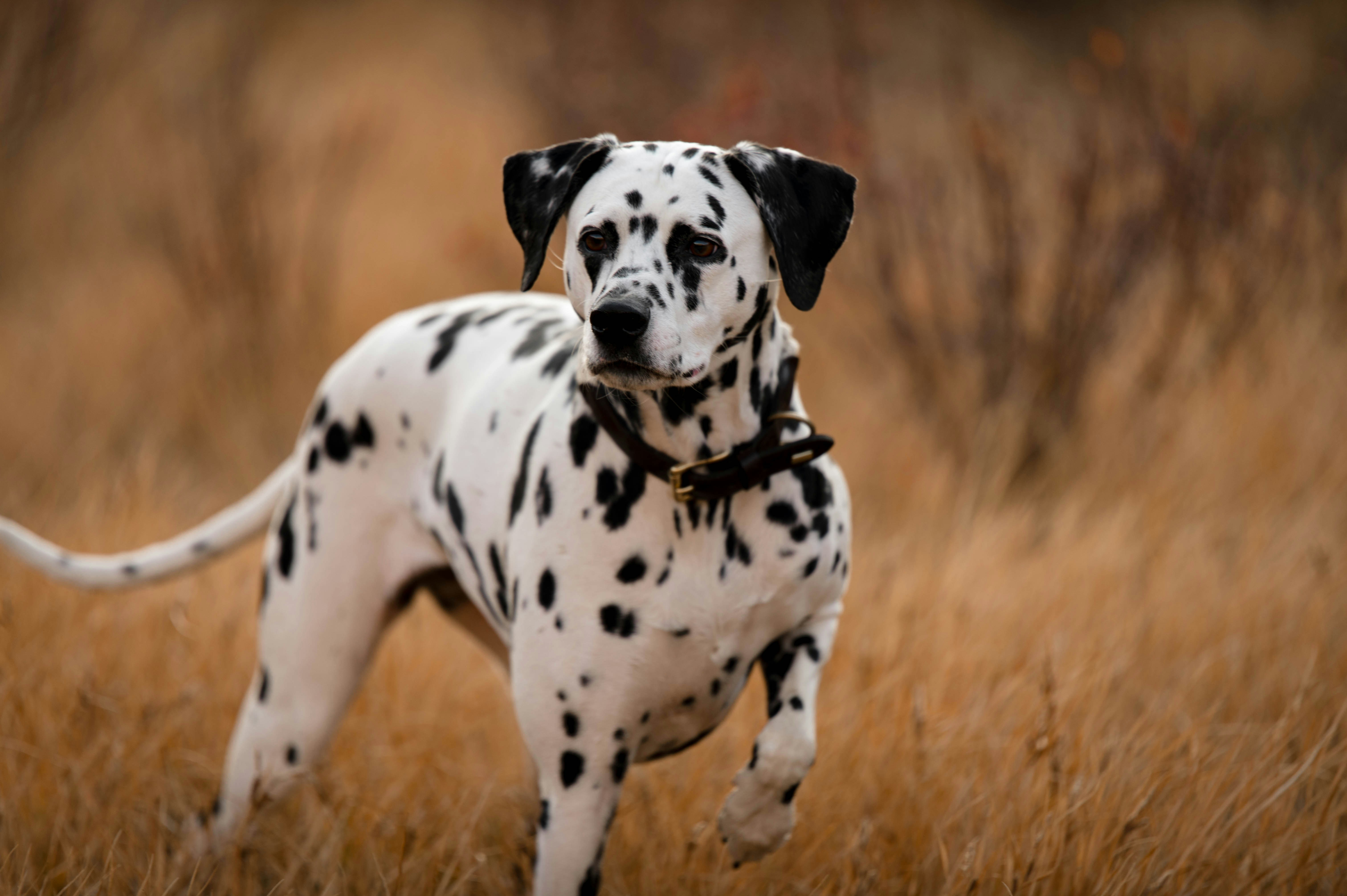
- Dalmatians: Bred to run alongside carriages for hours, they need a solid 60 to 90 minutes daily and make excellent jogging partners.
Low-Energy & Brachycephalic Breeds (20 to 45 Minutes Daily)
These breeds are the couch potatoes of the dog world, and there is absolutely nothing wrong with that. Some were bred as companion dogs. Others have physical structures — particularly flat faces — that make intense exercise dangerous.
- Bulldogs: 20 to 30 minutes of gentle walking, split into two shorter sessions. Their compressed airways make breathing difficult during exertion, and they overheat dangerously in warm weather. Never exercise a Bulldog in temperatures above 75 degrees Fahrenheit.
- French Bulldogs: Similar to Bulldogs — 20 to 30 minutes of moderate activity. Short play sessions in a cool environment work best.
- Basset Hounds: 30 to 45 minutes at a relaxed pace. They have tremendous endurance for slow, steady walking (they are scent hounds, after all) but are not built for speed or jumping.
- Shih Tzus and Cavalier King Charles Spaniels: 30 minutes of gentle exercise. These companion breeds are content with short walks and indoor play.
Exercise by Life Stage
Puppies (Under 12 Months)
Puppies have boundless energy but fragile bodies. Their growth plates — the soft areas at the ends of developing bones — do not fully close until 12 to 18 months in most breeds and up to 24 months in giant breeds. Excessive forced exercise (long runs, repetitive jumping, extended hikes) before the growth plates close can cause permanent joint damage and increase the risk of conditions like hip dysplasia and osteochondritis.
The general guideline is five minutes of structured exercise per month of age, twice a day. So a four-month-old puppy gets two 20-minute sessions of walking or gentle play. Free play in a yard where the puppy can self-regulate — running, stopping, resting when tired — is fine and does not count toward this limit. Avoid stairs, jumping on and off furniture, and jogging on hard surfaces until the growth plates have closed.
Adult Dogs (1 to 7 Years)
This is the prime exercise window. Healthy adult dogs can handle the full exercise requirements listed above for their breed group. Gradually build up to longer distances and more intense activities over a period of weeks rather than going from couch potato to trail runner overnight. Just like humans, dogs need conditioning to avoid soft tissue injuries. A quality harness is essential for active dogs — the Ruffwear Front Range Harness is our favorite for everyday adventures because it distributes pressure across the chest instead of the throat, has two leash attachment points, and is padded for all-day comfort. It holds up to years of daily use, which is more than I can say for most budget harnesses.
Senior Dogs (7+ Years)
Aging dogs still need daily exercise, but the intensity and duration should decrease gradually. Arthritis, joint stiffness, decreased cardiovascular fitness, and vision or hearing loss all affect what is safe and comfortable. Shorter, more frequent walks (two or three 15-minute walks instead of one 45-minute walk) are easier on aging joints. Swimming is the gold standard exercise for seniors because it provides a full-body workout with zero impact on joints. Watch for signs of overexertion: excessive panting, lagging behind, limping after exercise, or reluctance to go on walks.
Signs Your Dog Is Not Getting Enough Exercise
- Destructive behavior: Chewing furniture, shoes, and household items is the classic sign of pent-up energy.
- Excessive barking or whining: A bored dog with nothing to do will vocalize their frustration.
- Weight gain: If your dog is gaining weight on an appropriate diet, insufficient exercise is the most likely culprit.
- Hyperactivity: Zooming around the house, inability to settle, and jumping on people are all signs of a dog that needs more physical outlet.
- Attention-seeking behavior: Following you constantly, pawing at you, and bringing toys obsessively are pleas for engagement.
Signs of Too Much Exercise
- Excessive panting that does not resolve within 10 minutes of stopping: This indicates cardiovascular stress or overheating.
- Limping or stiffness after exercise: Joint pain, muscle strains, or paw pad injuries.
- Refusing to walk or lying down during exercise: Your dog is telling you they are done. Listen to them.
- Worn or bleeding paw pads: Hot pavement, rough terrain, or excessive mileage on unprepared paws.
- Prolonged recovery time: If your dog is exhausted or sore for hours after a walk, you went too far or too fast.
Exercise Beyond Walking
Walking is the foundation, but it is far from the only option. Mixing up activities keeps your dog physically and mentally engaged:
- Swimming: Low-impact, full-body exercise that is perfect for dogs with joint issues, senior dogs, and water-loving breeds. Always supervise, even strong swimmers.
- Fetch and retrieving games: High-intensity bursts that tire dogs out quickly. Ideal for Labs, Goldens, and other retrieving breeds.
- Tug of war: Excellent for building strength and burning energy indoors. Contrary to popular myth, tug does not create aggression — it builds impulse control when played with rules.
- Agility: Combines physical exercise with problem-solving. Great for high-energy, intelligent breeds. You can set up a basic backyard course with household items.
- Nose work and scent games: Hide treats around the house or yard and let your dog find them. Twenty minutes of nose work can tire a dog as much as an hour of walking because it engages the brain intensely.
- Hiking and trail running: Excellent for high-energy breeds that need distance. Consider a GPS tracker for off-leash adventures in remote areas.
Exercising in Extreme Weather
Hot Weather
Dogs cannot cool themselves as efficiently as humans. They rely primarily on panting and limited sweat through their paw pads, which makes them vulnerable to heatstroke — a life-threatening emergency. Exercise during the coolest parts of the day (early morning and evening), carry water, and stick to shaded routes. Test pavement with the back of your hand — if you cannot hold it there for five seconds, it is too hot for paw pads. Brachycephalic breeds (Bulldogs, Pugs, French Bulldogs, Boston Terriers) are at extreme risk in heat and should stay indoors when temperatures exceed 75 degrees. All dogs should avoid intense exercise when it is above 85 degrees.
Cold Weather
Cold-weather breeds like Huskies and Malamutes thrive in winter and can exercise normally in freezing temperatures. But short-coated, small, and thin breeds — Greyhounds, Chihuahuas, Whippets, Miniature Pinschers — lose body heat rapidly and need jackets for winter walks. Ice, salt, and chemical deicers can damage paw pads and cause irritation if licked. Protect your dog's feet with QUMY Dog Boots — they have waterproof soles, reflective straps for visibility in low light, and adjustable fasteners that actually stay on, which is harder to find in dog boots than you might think. Rinse paws after winter walks if boots are not used, and check between the toes for ice balls that can form in furry-pawed breeds. For more options, browse our best dog boots guide.
Rain
Most dogs can exercise normally in rain, though some genuinely hate getting wet and will refuse to walk. A water-resistant harness and a good towel-off afterward are usually all you need. Dry your dog's ears thoroughly after rainy walks, especially floppy-eared breeds, to prevent moisture-related ear infections.
Final Thoughts
The right amount of exercise is the amount that leaves your dog calm, content, and able to settle at home without destroying things or driving you crazy. That number is wildly different depending on breed, age, and individual temperament. Start with the guidelines for your breed group, adjust based on what you observe, and remember that mental stimulation counts just as much as physical miles. A tired dog is a good dog, but an overtired or injured dog is a vet bill. Find the sweet spot and stay consistent — your dog's behavior, weight, and overall health will thank you for it.
For safe, comfortable gear that makes daily exercise easier, explore our best dog harnesses and best GPS trackers guides.
As an Amazon Associate, BabyMyDog earns from qualifying purchases. Prices are approximate and may change. This does not influence our recommendations.