How to Choose a Reputable Dog Breeder: Red Flags and Green Flags
April 6, 2026 · 9 min read
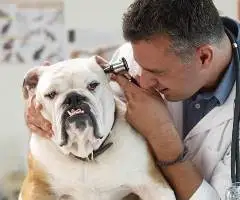
As a former AKC English Bulldog breeder, I've seen both sides of this. I've met breeders who pour their heart, soul, and savings account into producing the healthiest, happiest puppies possible. And I've met people who call themselves breeders but are really just multiplying dogs for profit with zero regard for health or temperament. The difference between those two experiences — for you and for your future puppy — is enormous. This guide is going to help you tell them apart.
Why Choosing the Right Breeder Matters
Your puppy's health, temperament, and behavior patterns are shaped long before you ever bring them home. It starts with genetics — which parents were chosen and why. It continues with how the puppies are raised in those critical first eight weeks. A puppy from a reputable breeder has health-tested parents, early neurological stimulation, proper socialization, and a solid nutritional foundation from day one. A puppy from a careless breeder might look the same at eight weeks old, but the problems — genetic disease, fearfulness, behavioral issues — often show up later.
I've heard too many heartbreaking stories from families who saved a few hundred dollars on a puppy only to spend thousands in vet bills within the first year. Or worse, families who fell in love with a puppy that turned out to have a serious genetic condition that could have been prevented with proper health testing. The breeder you choose is quite literally the most important decision you'll make in this entire process.
Green Flags: Signs of a Reputable Breeder
When you're talking to a breeder, these are the things that should make you feel confident you're in good hands:
- They health test their breeding dogs. This doesn't mean a basic vet checkup. It means OFA hip and elbow evaluations, cardiac exams, eye certifications through CERF or OFA, and breed-specific tests relevant to their breed. A good breeder will show you these results without you even having to ask. They're proud of them.
- Puppies are raised in the home. Not in a barn, not in a kennel out back, not in a separate building you're not allowed to see. Puppies raised in a home environment are exposed to household sounds, different surfaces, children, and daily life from the start. This socialization window is incredibly important for producing a well-adjusted adult dog.
- They ask YOU questions. A good breeder isn't just selling puppies — they're placing family members. They'll want to know about your living situation, your experience with dogs, whether you have a yard, who's home during the day, and what your expectations are. If a breeder doesn't ask you anything and just wants your deposit, that's a problem.
- They offer a health guarantee. Reputable breeders stand behind their puppies. Most offer a written health guarantee covering genetic conditions for at least one to two years, sometimes longer. They'll also typically require you to have the puppy vet-checked within a few days of pickup.
- They show you the parents. You should always be able to meet the dam (mother) at minimum. If the sire (father) isn't on-site — which is common since many breeders use stud dogs from other programs — they should be able to show you photos, health testing results, and pedigree information for him.
- They have references. Previous puppy buyers who are happy to talk to you about their experience. A breeder with nothing to hide will gladly connect you with families who've bought puppies from them before.
- They're involved in the breed community. Whether it's conformation shows, breed clubs, performance events, or mentoring new breeders, reputable breeders are active participants in their breed's community. This isn't just a hobby or a side hustle for them — it's a passion.
Red Flags: Warning Signs to Walk Away
If you encounter any of these, proceed with extreme caution — or better yet, walk away entirely:
- They'll ship a puppy without ever meeting you. Reputable breeders want to meet the people who are taking their puppies home. If a breeder is willing to ship a puppy to anyone with a credit card, they're not screening buyers, and they don't truly care where their puppies end up.
- Multiple breeds available at once. If someone has Bulldogs, Frenchies, Goldendoodles, and Yorkies all available, that's not a dedicated breeder — that's a puppy mill with a website. Reputable breeders focus on one, maybe two breeds and know them inside and out.
- No health testing documentation. If they can't show you OFA results, CERF certificates, or DNA panel results for the parents, the health of those puppies is a total gamble. "The vet said they're healthy" is not the same as breed-specific health testing.
- High-pressure sales tactics. "This is the last puppy available," "I have three other families interested," "Price goes up next week." Good breeders don't need to pressure you. Their puppies speak for themselves, and they usually have waiting lists.
- They won't let you visit. If you can't see where the puppies are raised, there's a reason for that, and it's never a good one.
- Cash only, no contract. A reputable breeder uses a written contract that outlines the health guarantee, spay/neuter requirements, and return policy. If someone wants cash only with no paper trail, that should tell you everything you need to know.
Questions You Should Ask Every Breeder
Don't be shy about asking questions. A good breeder will welcome them. Here are the ones I'd start with:
- What health tests have you done on the parents, and can I see the results? This is the single most important question. Accept nothing less than documented proof.
- Where are the puppies raised, and can I visit? You want to see the environment firsthand. Clean, warm, inside the home — that's the standard.
- What socialization do the puppies receive before going home? Early exposure to sounds, surfaces, handling, and gentle stress (like Early Neurological Stimulation) produces more confident, resilient puppies.
- What does your health guarantee cover, and for how long? Read the contract carefully. Understand what's covered and what's expected of you as the buyer.
- What happens if I can no longer keep the dog? Reputable breeders always take their dogs back, no matter the age or reason. It's usually written into the contract.
- Can you provide references from previous puppy buyers? Talk to real people who've been through the process. Ask about the puppy's health, temperament, and whether the breeder was supportive after the sale.
- Why did you choose this particular breeding pairing? A thoughtful breeder can explain exactly why they paired these two dogs — what health traits, temperament qualities, and structural improvements they were aiming for.
Why Reputable Breeders Aren't Cheap
I understand sticker shock when you see a puppy priced at $2,500 or more. But here's what most people don't realize about what goes into that price. Health testing alone costs $2,000 to $5,000 per litter — that's before a single puppy is even born. Then there's the stud fee, prenatal care, potential C-section (which is standard for breeds like English Bulldogs), puppy vaccinations, deworming, microchipping, early socialization protocols, premium food, and the countless sleepless nights spent monitoring newborn puppies.
Most reputable breeders will tell you honestly that they don't make money doing this, or if they do, it's minimal. The ones who profit significantly are cutting corners somewhere — on health testing, on veterinary care, on the quality of the dogs they're breeding, or on the environment the puppies are raised in. When you pay more for a well-bred puppy, you're paying for peace of mind, a healthier dog, and a breeder who will be there for you for the life of that dog.
Breeders vs. Backyard Breeders vs. Puppy Mills
These terms get thrown around a lot, so let's clarify. A reputable breederis someone who breeds with intention — to improve the breed, produce healthy puppies, and place them in loving homes. They invest heavily in health testing, proper care, and ongoing education about their breed.
A backyard breederis someone who breeds their pet dog, usually without health testing, without a clear breeding plan, and often without understanding the breed standard or genetic risks. They're not necessarily bad people — many genuinely love their dogs — but the puppies are at higher risk for health and temperament issues because there's no screening process.
A puppy mill is a commercial operation that prioritizes profit over animal welfare. Dogs are often kept in poor conditions, bred repeatedly without regard for health, and puppies are shipped out as quickly as possible. Many pet store puppies come from puppy mills, even if the store claims otherwise.
Final Thoughts
Finding the right breeder takes time, and that's okay. You might end up on a waiting list for six months or even a year. That's actually a good sign — it means the breeder doesn't over-produce and takes care in placing each puppy. Use that time to prepare your home, research your breed, and get excited about the incredible dog that's coming your way.
Start by exploring our breed guides to learn about the breeds you're considering. If you're already set on a breed, check out specific pages like our English Bulldog guide for detailed information on health, temperament, and what to look for in a breeder for that specific breed. And if you're still researching which breed fits your lifestyle, our best products page can help you understand what each breed needs so you can plan accordingly.
The right breeder won't just sell you a puppy — they'll become a lifelong resource, a mentor, and someone who cares about your dog almost as much as you do. That relationship is priceless, and it starts with doing your homework before you ever sign a contract.