How to Crate Train a Puppy: Step-by-Step Schedule
April 7, 2026 · 8 min read
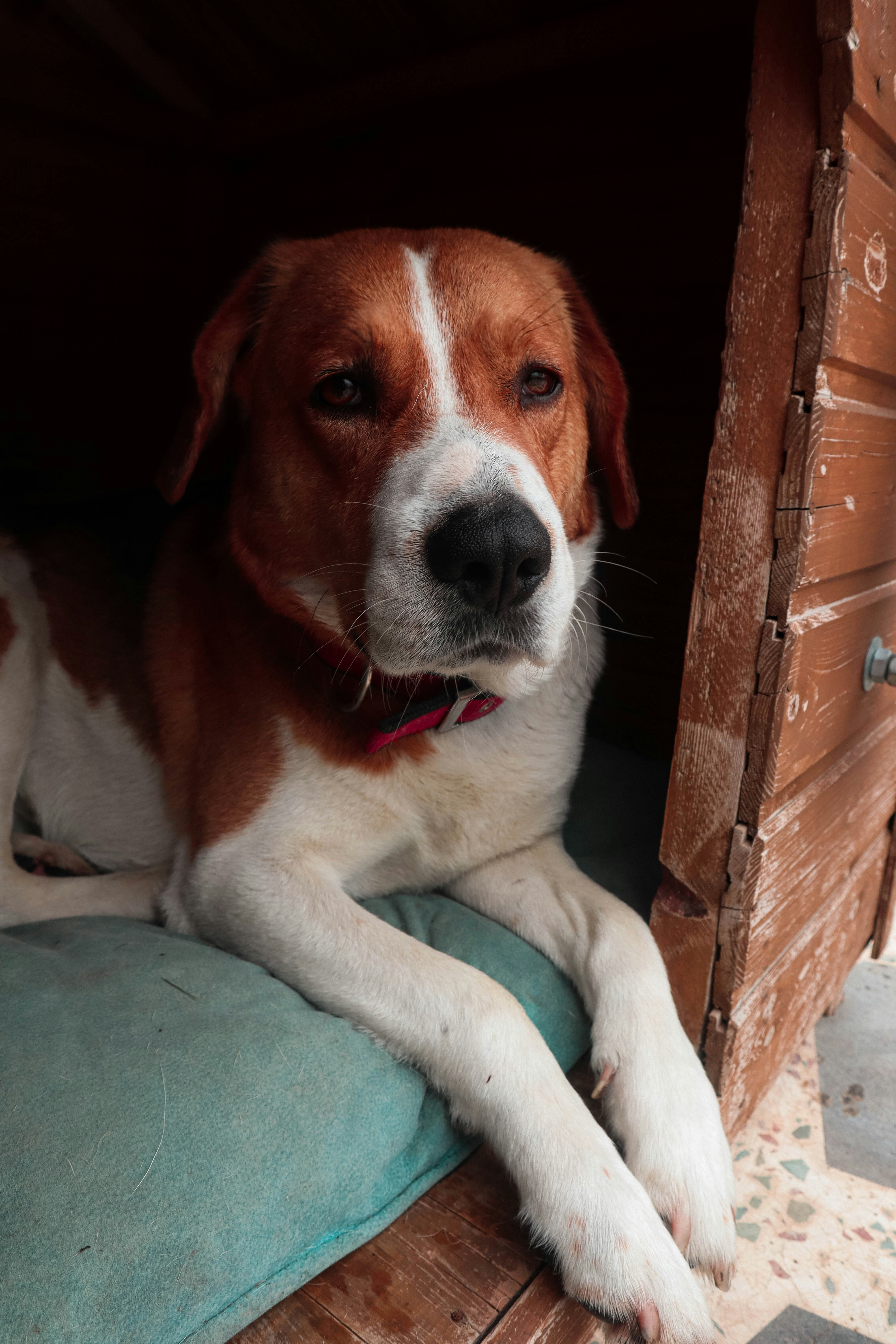
I have sent home well over a hundred puppies to new families during my years as a breeder, and the single piece of advice I repeat more than any other is this: crate train your puppy starting the first night. Not because I am old-fashioned or rigid, but because a properly crate-trained puppy is a safer, calmer, more confident dog. The crate is not a punishment. It is a den — a place where your puppy feels secure the same way a child feels secure in their own bedroom. Done correctly, crate training prevents destructive chewing, accelerates housebreaking, keeps your puppy safe when you cannot supervise, and gives them a lifelong retreat where they can decompress.
Done incorrectly, it creates anxiety and misery. So let me show you how to do it right.
Why Crate Training Works
Dogs are naturally denning animals. In the wild, canines seek out small, enclosed spaces to sleep, raise their young, and feel protected. A crate taps into that instinct. Puppies instinctively avoid soiling their sleeping area, which is why crate training and housebreaking go hand in hand — the crate teaches bladder control because the puppy is motivated to hold it rather than mess up their den. Beyond housebreaking, the crate prevents your puppy from practicing bad habits (chewing furniture, counter-surfing, getting into dangerous items) during the many hours you cannot have your eyes directly on them. A puppy loose in a house unsupervised is a puppy rehearsing behaviors you will spend months trying to undo.
Choosing the Right Crate
Size matters more than people realize. The crate should be large enough for your puppy to stand up without hunching, turn around comfortably, and lie down stretched out. It should not be so large that they can use one end as a bathroom and the other as a bedroom — that defeats the housebreaking purpose entirely. For growing puppies, I recommend a wire crate with a divider panel so you can adjust the interior space as the puppy grows. The MidWest iCrate is what I have used for years because it comes with a divider, folds flat for travel, and has a double-door design that gives you flexibility with placement. Browse our full best dog crates guide for more options across all sizes and budgets.
Place the crate in a common area of the house — the living room or kitchen works well. You want the puppy to feel included in family life, not isolated in a back room. At night, move the crate to your bedroom or at least nearby so the puppy can hear and smell you. This dramatically reduces nighttime crying.
The Step-by-Step Schedule
Day 1: Introduction Only
Do not close the door on day one. Seriously. The biggest mistake new owners make is rushing the process. On the first day, your only goal is to create a positive association with the crate. Place it in the room with the door propped open. Toss high-value treats inside and let the puppy go in and out freely. Feed their meals inside the crate with the door open. Drop a worn t-shirt with your scent inside for comfort. If the puppy walks in voluntarily, praise calmly. If they do not go in at all, that is fine — place treats just inside the entrance and let them reach in without entering fully. Patience on day one prevents weeks of problems later.
Days 2–3: Short Closed-Door Sessions
Once the puppy is willingly entering the crate for treats and meals, begin closing the door for very short periods. Start with 30 seconds while you sit right next to the crate. Then one minute. Then two minutes. Then five. Give a KONG Classic stuffed with peanut butter or softened kibble to keep the puppy busy. Open the door before the puppy starts whining — you want to release them while they are still calm, not after they have escalated. If they whine, wait for even a brief pause in the whining before opening the door. You never want to open the door in response to crying, as that teaches the puppy that noise equals freedom.
Days 4–7: Building Duration
Gradually extend crate time to 15 minutes, then 30 minutes, then one hour. During this phase, begin stepping out of the room briefly while the puppy is crated. Start with walking to the kitchen for 30 seconds and returning. Then step outside for a minute. The puppy needs to learn that you leaving is not a crisis — you always come back. Continue using the stuffed KONG as a positive crate activity. By the end of the first week, most puppies can handle 30 to 60 minutes in the crate while you are in another room, and they should be sleeping in the crate at night with only minimal fussing.
Week 2: Real-World Duration
During week two, begin leaving the house for short errands while the puppy is crated. Start with 15 to 20 minutes and work up to an hour. Always exercise the puppy and give them a bathroom break immediately before crating. Leave quietly — no emotional goodbyes. Return quietly — no excited greetings until the puppy is calm. The general rule for maximum crate time is the puppy's age in months plus one, in hours. So an eight-week-old puppy can handle about three hours, a twelve-week-old about four hours. Never exceed this limit.
Weeks 3–4: Establishing Routine
By weeks three and four, the crate should be part of the daily routine. The puppy goes in the crate for naps, for mealtimes, during unsupervised periods, and at night. Most puppies at this stage will begin entering the crate on their own when they are tired or want quiet time. This is the sign that crate training is working — the crate has become a voluntary retreat, not just a place you put them. Continue reinforcing with treats and stuffed KONGs, but you should notice the puppy needs less and less incentive to go in willingly. See our new puppy checklist for other essentials during this critical adjustment period.
Night Training Tips
Nighttime is the hardest part for most new puppy owners. Here is what works:
- Keep the crate in your bedroom. A puppy that can hear your breathing settles faster than one isolated in another room.
- Set an alarm. Take the puppy out for a bathroom break once during the night for the first few weeks. An eight-week-old puppy cannot make it eight hours without a potty break.
- Make bathroom breaks boring. Go outside, let them do their business, and go right back to the crate. No play, no treats, no excitement. You want the puppy to learn that nighttime outings are functional, not fun.
- Ignore minor whimpering. There is a difference between a puppy fussing for a few minutes and settling down versus a puppy that escalates for 30 minutes straight. Brief fussing is normal and will pass. Sustained escalation may mean they genuinely need a bathroom break.
- Cover the crate partially. Draping a blanket over three sides creates a den-like feeling and blocks visual stimulation that might keep the puppy alert.
Common Mistakes That Derail Crate Training
- Using the crate as punishment. Never send the puppy to the crate as a consequence for bad behavior. The crate must always be a positive place. If you use it as a time-out, you poison the association and create a dog that dreads the crate.
- Crating too long. Puppies under six months should not be crated for more than three to four hours at a stretch during the day. If you work full-time, arrange for a midday break — a dog walker, a neighbor, or come home at lunch.
- Letting them out when they cry. This is the hardest rule to follow and the most important. If you open the door when the puppy cries, you have just taught them that crying works. Wait for quiet, even if it is just a two-second pause, before releasing.
- Skipping the gradual buildup. Putting a puppy in a crate and leaving for four hours on day one is a recipe for panic. Follow the schedule above and build duration slowly.
- Wrong size crate. Too big and they soil it. Too small and they are uncomfortable. Use that divider panel.
For more on setting your puppy up for success, read our guide on choosing the best crate for puppy training and browse our puppy essentials collection.
When to Phase Out the Crate
Most dogs are ready for increased freedom between 12 and 18 months, depending on the breed and the individual. Start by leaving the crate door open while you are home and see if the puppy still chooses to go in. Then try short absences with the crate open but the dog confined to one puppy-proofed room. If they handle that well, gradually expand their access to the house.
Some dogs never want to give up the crate, and that is perfectly fine. Several of my retired show dogs still sleep in their crates by choice with the doors wide open. The crate is their spot. If your adult dog loves their crate, let them keep it. There is no rule that says you have to take it away.
The Bottom Line
Crate training is one of the best investments you can make in your puppy's first few months. It teaches bladder control, prevents destructive habits, keeps your puppy safe, and gives them a lifelong den they can retreat to when the world gets overwhelming. Follow the schedule, be patient through the whining, and resist the urge to rush the process. In four weeks you will have a puppy that walks into their crate willingly and settles down without drama — and that is a foundation that sets up everything else in training for success.
As an Amazon Associate, BabyMyDog earns from qualifying purchases. Prices are approximate and may change. This does not influence our recommendations.