Why Is My Dog Scratching So Much? Causes and Fixes
April 7, 2026 · 9 min read
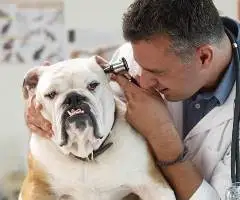
Few things are more frustrating — for you and your dog — than nonstop scratching. The jingle of tags at 2 a.m. as your dog scratches behind their ear for the hundredth time. The raw, red patches on their belly. The bald spots forming along their flanks. You want to help, but first you have to figure out what is causing the itch, and that is where most people get stuck because there are at least seven common causes that all look surprisingly similar on the surface.
After decades of breeding, grooming, and living with dogs of all shapes and sizes, I have seen every kind of scratching imaginable. Here is what I have learned about identifying the cause and — more importantly — finding relief that actually lasts.
The Top 7 Causes of Excessive Scratching
1. Fleas
Fleas remain the number one cause of scratching in dogs, and it only takes a single flea to make an allergic dog miserable. Flea allergy dermatitis (FAD) is actually a reaction to proteins in flea saliva, and dogs with this allergy scratch, chew, and bite obsessively — especially around the base of the tail, the lower back, the groin, and the inner thighs. You may not even see fleas on the dog because they scratch and chew so aggressively that they remove the evidence. Instead, look for "flea dirt" — tiny black specks in the fur that turn reddish-brown when placed on a wet paper towel. That reddish color is digested blood, and it confirms fleas are present even when you cannot find a live one.
The fix is straightforward: get your dog on a quality flea preventative and treat your home and yard simultaneously. One round of treatment is rarely enough because flea eggs can survive in carpet and upholstery for months. You need to break the lifecycle by treating continuously for at least three months.
2. Food Allergies
True food allergies account for roughly 10 to 15 percent of all allergy cases in dogs, but they are widely over-diagnosed by well-meaning pet store employees and under-diagnosed by owners who assume it must be something environmental. The telltale signs are year-round itching (not seasonal), chronic ear infections, paw licking and chewing, and gastrointestinal symptoms like soft stools or excessive gas. The most common culprits are chicken, beef, dairy, wheat, and soy — not grain in general, despite what marketing would have you believe.
The only reliable way to diagnose a food allergy is an elimination diet under veterinary supervision. This means feeding a novel protein or hydrolyzed protein diet for 8 to 12 weeks with absolutely no treats, table scraps, or flavored medications that could contain the allergen. Blood tests and saliva tests marketed for food allergies are unreliable and produce a high rate of false positives.
3. Environmental Allergies (Atopy)
Environmental allergies are the most common type of allergy in dogs, and they typically appear between ages one and three. Pollen, mold spores, dust mites, and grass are the usual triggers. Unlike humans who sneeze and get watery eyes, dogs absorb allergens through their skin and react with intense itching. They scratch their faces, ears, armpits, belly, and paws. You will often see reddish-brown staining on the paws and around the muzzle from chronic licking. Seasonal patterns are a strong indicator — if the scratching gets worse in spring and fall, environmental allergies are likely.
Management involves reducing exposure (wiping paws after walks, washing bedding weekly, using air purifiers), antihistamines for mild cases, and veterinary treatments like Apoquel or Cytopoint injections for moderate to severe cases. Regular baths with a soothing shampoo also help by physically removing allergens from the coat and skin. Check out our bathing guide for the right frequency.
4. Dry Skin
Dry skin is especially common in winter when indoor heating sucks moisture from the air, and in arid climates year-round. You will notice dandruff-like flakes in the coat, a dull or rough texture to the fur, and mild to moderate scratching that is generalized rather than focused on one area. Dogs that are bathed too frequently or with harsh shampoos are also prone to dry skin because the bathing strips protective oils faster than the skin can replace them.
The fix often starts from the inside out. Adding an omega-3 fatty acid supplement to your dog's diet is one of the most effective things you can do for skin health. Nordic Naturals Omega-3 Pet is our top pick because it uses wild-caught fish oil in triglyceride form, which dogs absorb far more efficiently than the ethyl ester form found in cheaper supplements. Most dogs show improvement in coat quality within four to six weeks. You can also run a humidifier in the rooms where your dog spends the most time and switch to a moisturizing shampoo. For more supplement options, see our best dog supplements guide.
5. Hot Spots (Acute Moist Dermatitis)
Hot spots are angry, red, oozing patches that seem to appear overnight and spread alarmingly fast. They are caused by bacteria that invade skin damaged by scratching, licking, or moisture. Thick-coated breeds like Golden Retrievers and German Shepherds are especially prone because their dense undercoats trap moisture against the skin. Hot spots are painful, not just itchy, and most dogs will flinch or snap if you touch one.
Minor hot spots can be treated at home by carefully clipping the hair around the lesion (so air can reach it), cleaning gently with diluted chlorhexidine, and applying a thin layer of over-the-counter hydrocortisone spray. But if the hot spot is larger than your palm, if there are multiple spots, or if the dog has a fever, you need a vet visit — prescription antibiotics and anti-inflammatories are often necessary.
6. Yeast Infections
Yeast (Malassezia) is a normal resident of your dog's skin, but it can overgrow when the skin's natural balance is disrupted by allergies, moisture, or immune suppression. The hallmarks are a distinctive musty or "corn chip" smell, greasy or thickened skin, dark discoloration in skin folds and between toes, and intense itching concentrated in the ears, paws, armpits, and groin. Dogs with floppy ears and skin folds — Basset Hounds, Bulldogs, Shar-Peis — are the usual suspects.
Mild yeast overgrowth responds well to medicated shampoos containing ketoconazole or chlorhexidine, used two to three times per week until symptoms resolve. Keeping skin folds clean and dry between baths is essential. Stubborn or recurring yeast infections need veterinary treatment with oral antifungals, and the underlying trigger (usually allergies) must be addressed or the yeast will keep coming back.
7. Boredom and Anxiety
Not all scratching has a physical cause. Dogs that are bored, anxious, or understimulated sometimes develop compulsive behaviors including excessive scratching, licking, and chewing. These dogs often focus on one area — a paw, a flank, or a leg — and can lick it raw, creating what veterinarians call an acral lick granuloma. The behavior tends to worsen when the dog is alone or inactive and improve during walks and play.
The solution involves increasing both physical exercise and mental stimulation, addressing any underlying anxiety, and in severe cases working with a veterinary behaviorist. Interactive toys, puzzle feeders, training sessions, and social time can all help redirect the behavior.
Home Remedies That Actually Help
Oatmeal Baths
Colloidal oatmeal has been used for centuries to soothe irritated skin, and it works just as well on dogs as it does on humans. It forms a protective barrier on the skin, locks in moisture, and contains compounds called avenanthramides that reduce inflammation and itching. You can grind plain, unflavored oatmeal into a fine powder in a blender and add it to lukewarm bathwater, or use a pre-made oatmeal shampoo. Burt's Bees Oatmeal Shampoo for Dogs is our go-to recommendation — it is pH-balanced for dogs, free of sulfates and harsh chemicals, and affordable enough for frequent use. Let the lather sit on the skin for five to ten minutes before rinsing for maximum benefit.
Coconut Oil
Virgin coconut oil can be applied topically to dry, flaky patches to moisturize the skin and provide mild antibacterial and antifungal benefits thanks to its lauric acid content. Use a thin layer — too much will make the coat greasy and attract dirt. You can also add a small amount to your dog's food (start with a quarter teaspoon for small dogs, one teaspoon for large dogs) to support skin health from the inside. Introduce it gradually to avoid digestive upset.
Fish Oil Supplements
Omega-3 fatty acids (EPA and DHA) are anti-inflammatory compounds that reduce itching, improve coat quality, and support the skin's natural barrier function. They are most effective for dry skin and environmental allergies, and many veterinary dermatologists consider them a foundational part of any allergy management plan. It takes four to six weeks of daily supplementation to see results, so be patient and consistent. Nordic Naturals Omega-3 Pet, mentioned above, delivers therapeutic doses in a palatable liquid that most dogs accept readily.
When to See the Vet
Home remedies are appropriate for mild, occasional itching with no other symptoms. But there are situations where veterinary care is essential and delaying can make things significantly worse:
- Open sores, bleeding, or oozing: These are at risk for secondary bacterial infection and often need antibiotics.
- Hair loss: Patchy or symmetrical hair loss can indicate hormonal disorders like hypothyroidism or Cushing's disease.
- Chronic ear infections: More than two ear infections per year strongly suggests underlying allergies.
- Intense scratching that disrupts sleep or eating: If your dog cannot rest comfortably, they need relief now, not in four weeks when a supplement kicks in.
- Skin that smells bad or looks discolored: Yeast and bacterial infections need targeted treatment, not just soothing baths.
- Scratching that does not improve after two weeks of home care: Something more is going on, and your dog deserves an accurate diagnosis.
Prevention: Keeping the Itch Away
The best treatment for scratching is preventing it in the first place. Here is a practical prevention routine that covers the most common causes:
- Year-round flea prevention: Do not skip winter months. Fleas survive indoors year-round.
- Regular grooming: Brushing removes loose fur, distributes oils, and lets you spot problems early. See our at-home grooming guide for a complete routine, and browse our best grooming tools for recommendations.
- Quality diet: A diet rich in omega-3 fatty acids and free of common allergens supports healthy skin from the inside out.
- Clean bedding: Wash your dog's bed and blankets weekly in hot water to remove dust mites, pollen, and flea eggs.
- Paw wiping: Wipe your dog's paws with a damp cloth after every outdoor walk to remove pollen and other environmental allergens before they are tracked through the house and absorbed into the skin.
- Appropriate bathing: Bathe on a schedule that suits your dog's coat type and skin condition, using a gentle, pH-balanced shampoo. Our bathing frequency guide can help you find the right interval.
Final Thoughts
Scratching is a symptom, not a diagnosis. The most important thing you can do is resist the urge to throw random products at the problem and instead take a systematic approach: rule out fleas first (it is the easiest to check and treat), evaluate dietary factors, consider seasonal patterns, and see your vet if home remedies do not bring relief within two weeks. Most scratching problems are very treatable once you identify the cause, and your dog does not have to suffer while you figure it out.
For more on keeping your dog comfortable and healthy, explore our best supplements guide and our top grooming tools.
As an Amazon Associate, BabyMyDog earns from qualifying purchases. Prices are approximate and may change. This does not influence our recommendations.